Where does your home hold feeling?
Threshold
A Portal of Emotion
Often holds Restoration Stimulation Kinship
In your threshold the mix may be different. Why the aspects vary
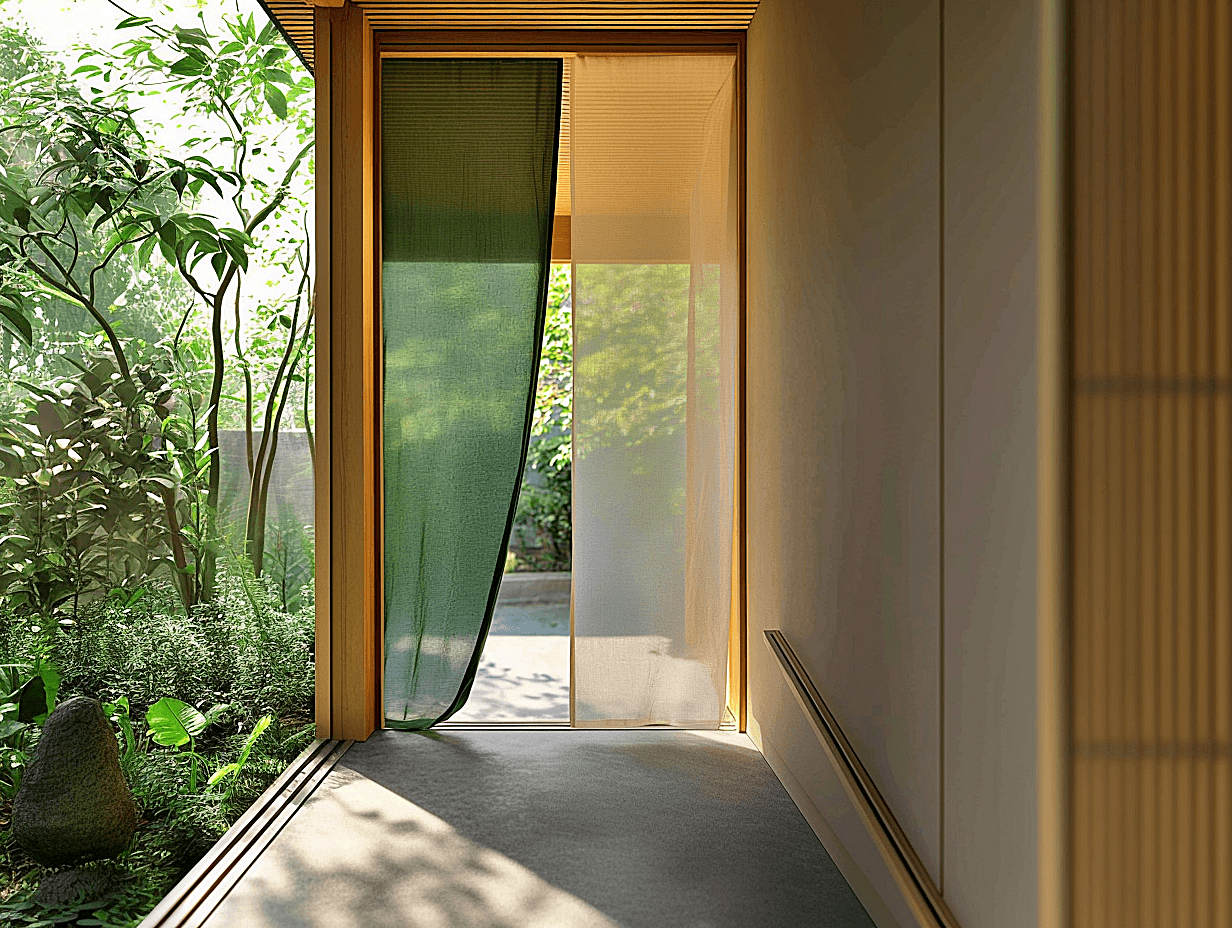
The threshold's emotional topography
Stand in a doorway for a moment. Notice how the air feels different on either side. A threshold isn't just an entrance. It's where one feeling ends and another begins.
The bedroom doorway at the end of a long day—you might pause there, hand on the frame, deciding if you're ready to rest or if you need a few more minutes of motion. The study door in the morning—it either pulls you in with clarity or resists you with dread. The threshold between indoors and outdoors—sometimes it's expansion, sometimes it's exposure.
Thresholds are the places you cross without thinking, until one day you notice: this doorway feels heavy, or this one feels easy, or this one you avoid. Each crossing carries a shift, whether you're stepping into the quiet of a bedroom, the heat and motion of a kitchen, or the stillness of a corner made for reading.
Restoration
This might show up in how a bedroom door feels heavier than others, requiring you to push through deliberately, as if the room itself is asking: Are you ready to rest? Or it might be a curtain instead of a door, making the crossing effortless, lowering the barrier to sleep. Some people need resistance to mark the shift. Others need ease.
Stimulation
Think about the threshold into a workspace that's open, bright, pulling you forward into focus. Or a study door that closes firmly behind you, creating a boundary between distraction and concentration. The door itself isn't neutral. It's either inviting you in or protecting what's inside.
Kinship
Often this appears in thresholds that welcome rather than separate. Wide doorways between kitchen and dining room. No door at all between living spaces, saying: stay close, keep talking, don't leave yet. Or it might be the opposite: a door that closes fully, honouring the privacy that makes intimacy possible later. Both make connection possible, just in different ways.
Thresholds shape how we move from one feeling to another.
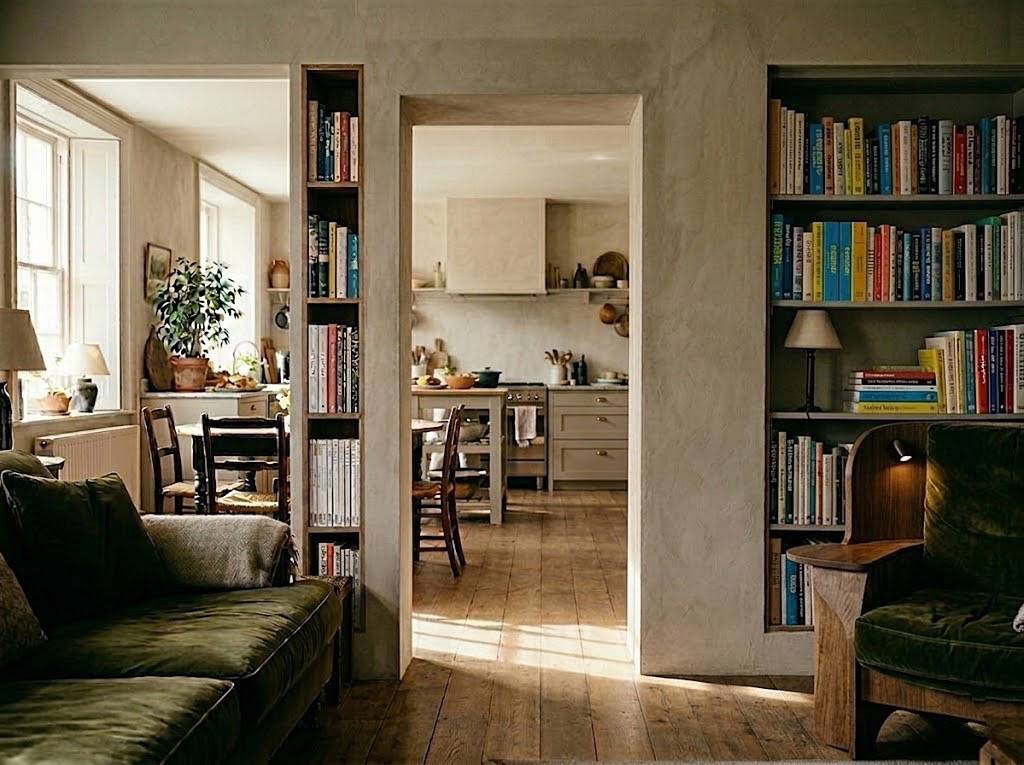
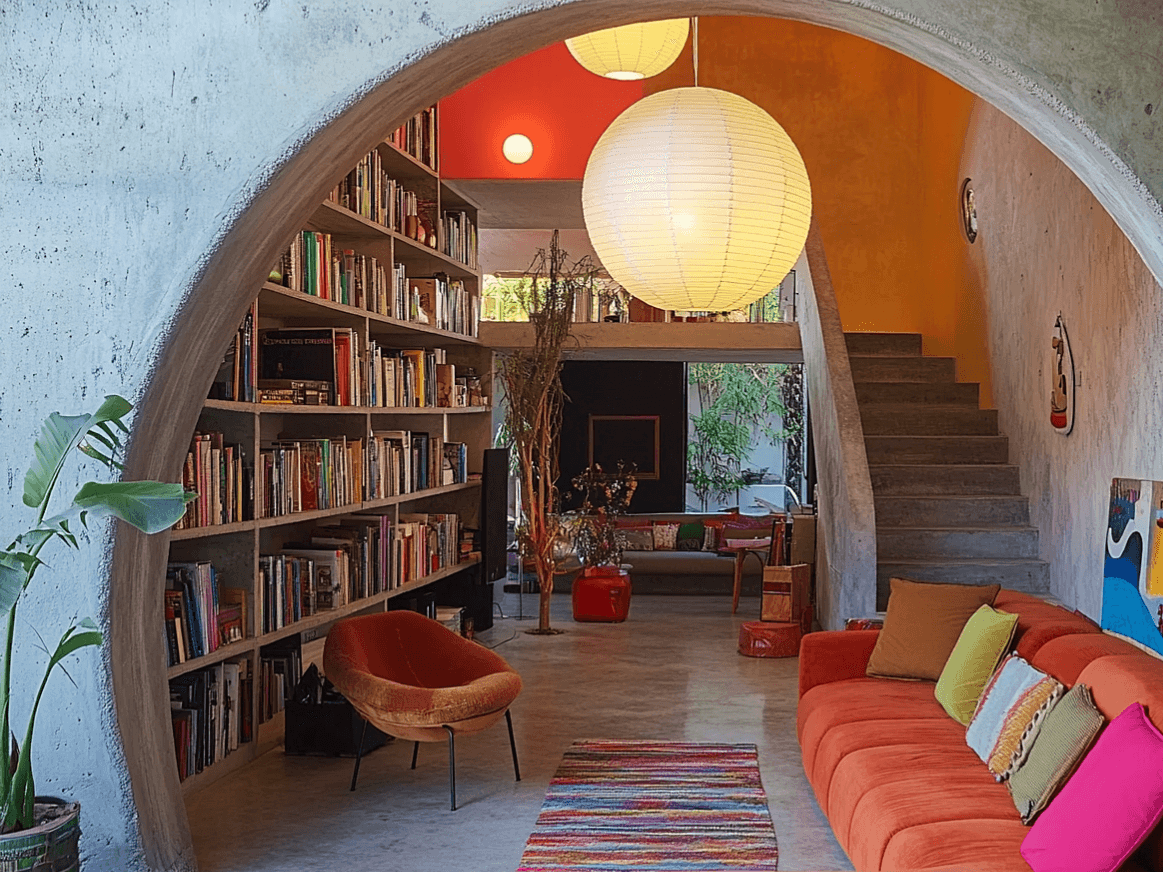
Which doorways in your home feel easy to cross, and which ones make you pause?
- What changes when you step from one room into another?
Scents to explore for your threshold
A scent at a threshold doesn't have to do much; only mark the change. Different doors want different scents.:
Rosemary
sharp, camphorous, green. The herb you smell when you brush against the bush. Belongs to clear-headed thresholds: the morning study door, the desk you sit down to.
Lavender
soft, herbaceous, slightly powdery. A bedroom plant long before it was a scented product. The threshold into sleep, or out of the bath.
Bergamot
a green citrus, slightly bitter. A top note: brief, bright. Suits the doorways where talk continues: kitchen into dining room, hallway into the living space.
Frankincense
cool, dry resin. Suits the threshold crossed once a day with intention: the study door, the front door at the end of the working day, any crossing that earns a pause rather than a passage.
Each one can stand alone in a diffuser. One oil is enough. Composed Self-Place Bond synergy blends for rooms like this one are being remade: the second edition is in development.
The 4 on the scent wheel
- Rosemary Herbaceous · top to middle note
- Lavender Floral · middle note
- Bergamot Citrus · top note
- Frankincense Resinous & Balsamic · base note
Explore other spaces
The spaces here are conceptual examples. Yours will look different, and that difference is part of what makes it yours.